Wildlife artist Ed Harrison shares studio sketches of barn swallows, reflecting on spring, creativity, and personal loss in his Wild Wings of Hope project.
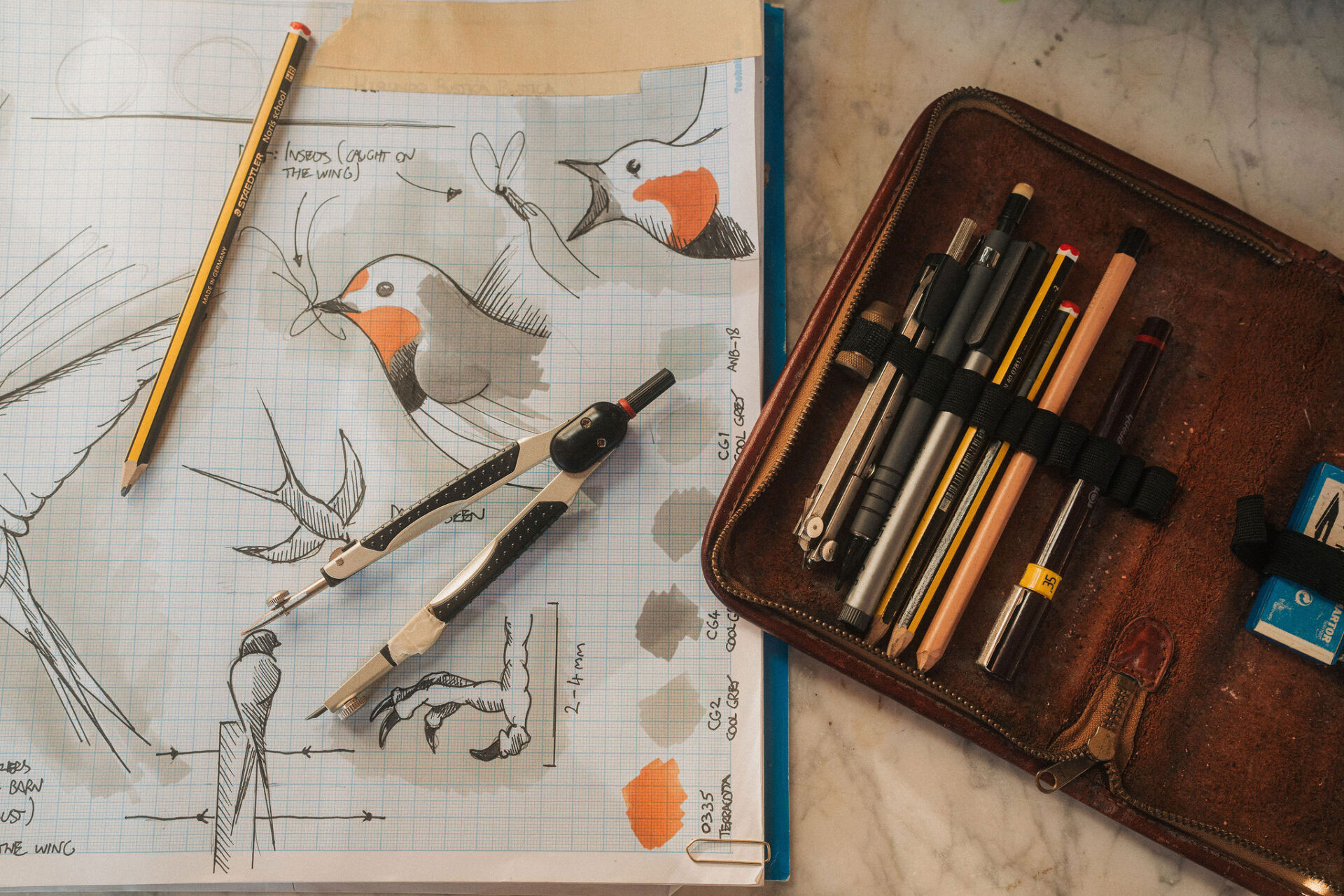
I’m writing this from my studio desk, surrounded by sketches of birds scattered across the floor.
Meanwhile, barn swallows fly high overhead, catching insects in the morning sun. The swallows arrived last week, bringing a moment of pure joy. They survived another winter. Spring is finally here.
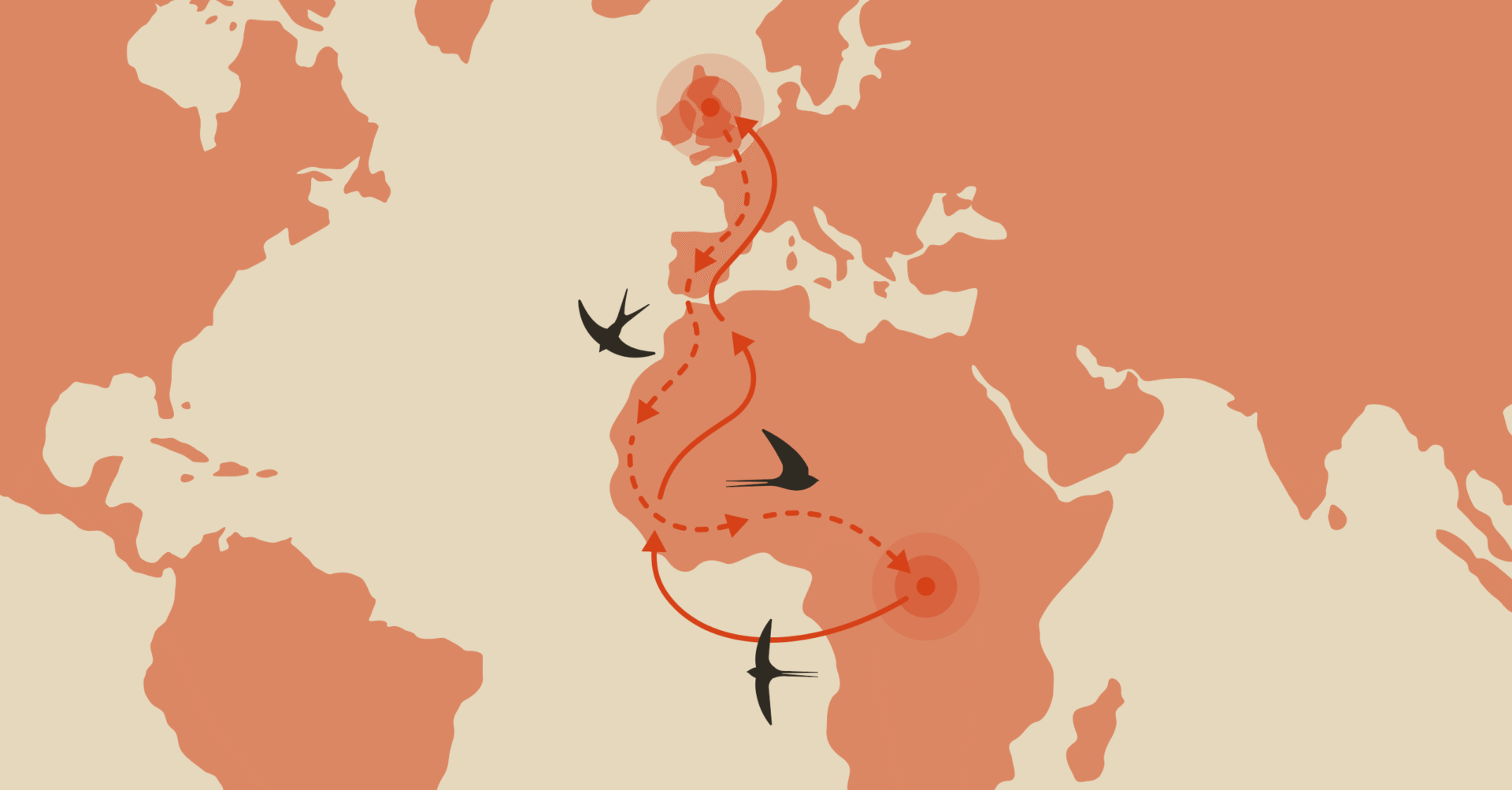
To see the return of the swallows, after journeying 6,000 miles beneath stars and across the Savannah, is to witness the purest expression of hope and resilience.
Hope and resilience—two words I’m sure we could all be drawing on right now.

A gentle spring pause
These past few weeks have carried an odd sense of stillness—a rare window of time as I wait for multiple freelance projects to land.
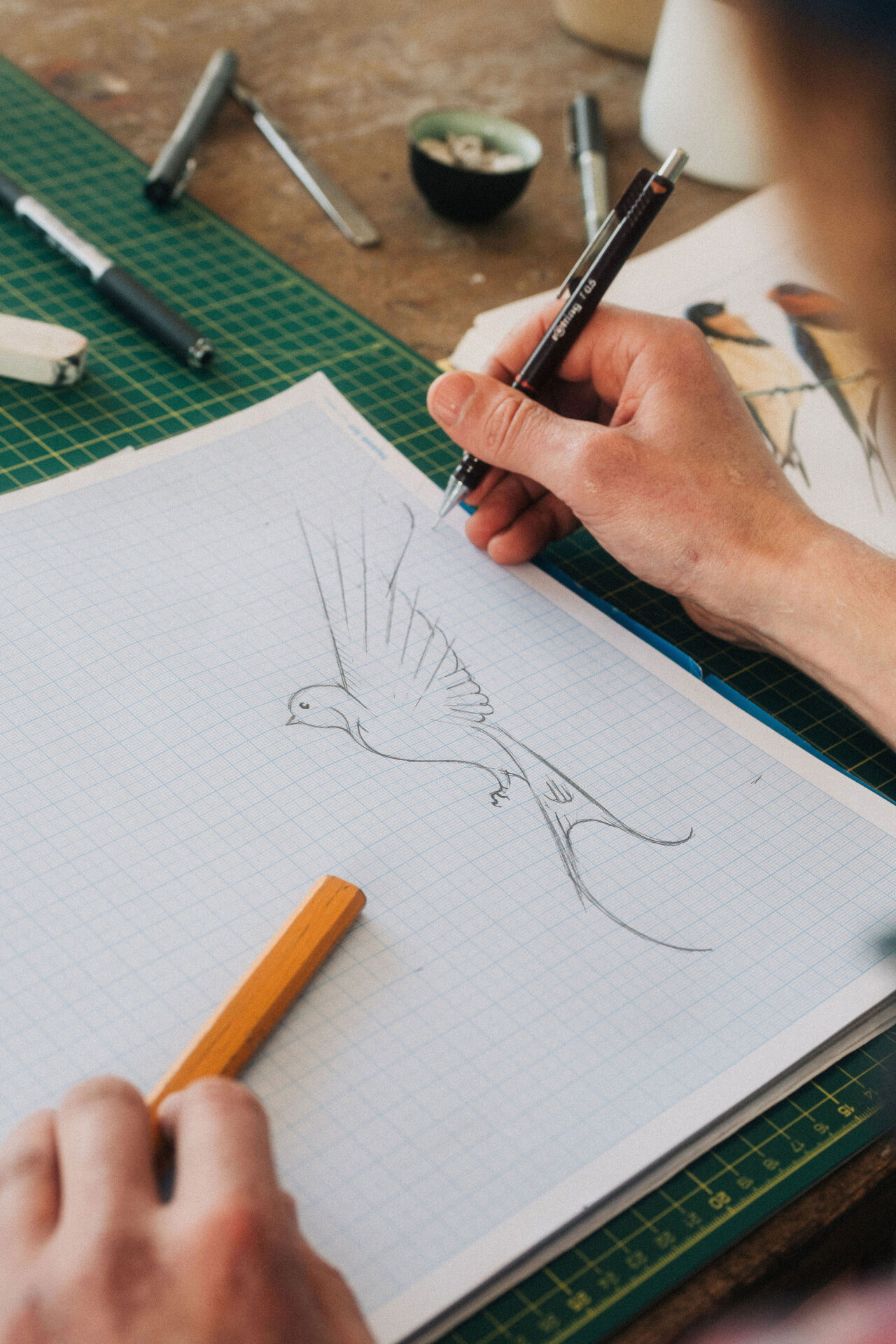
I’ve made use of this time by drawing inspiration from the winged beings that inhabit the sky—observing their daily activities and studying their flight patterns.
There is nothing quite as satisfying as the elegant arc of a barn swallow.
I’ve found a deep contentment in the simple act of observing life unfold, before stepping into the studio to immerse myself in the creative process.
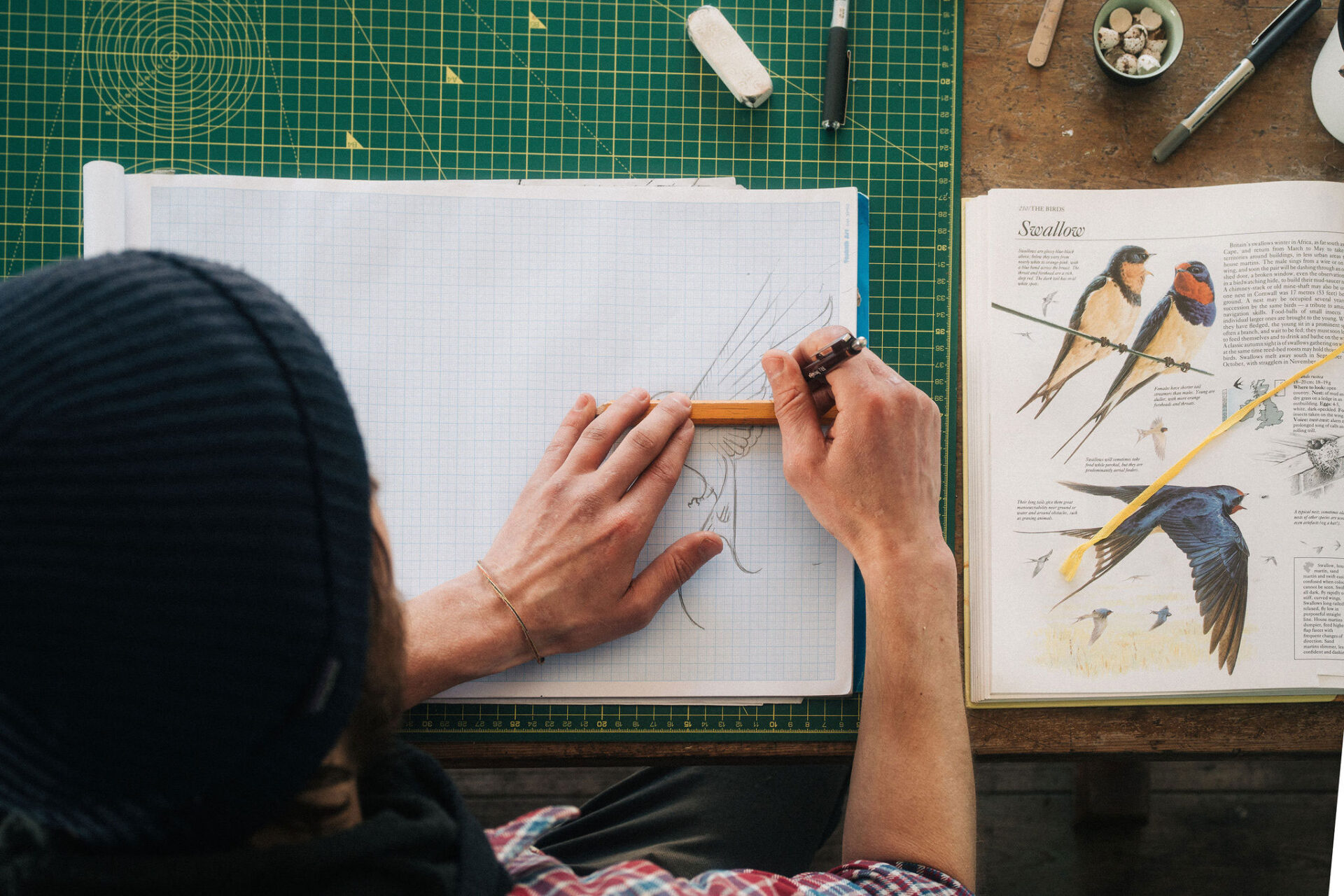
This gentle pause feels like a real privilege—a safe space to inhabit new ideas and explore unchartered artistic territory before a jam-packed work schedule kicks in.
It also feels timely, as next week marks the anniversary of my Dad’s passing, which I am now trying to reframe as his continuation.
Anyone who knew Dad will remember his love of garden birds—his quiet, gentle observations—and how he always celebrated the arrival of the barn swallows on their arrival from migration.
Without fail, he was always the first to spot them, and delighted in telling friends and family of their return.
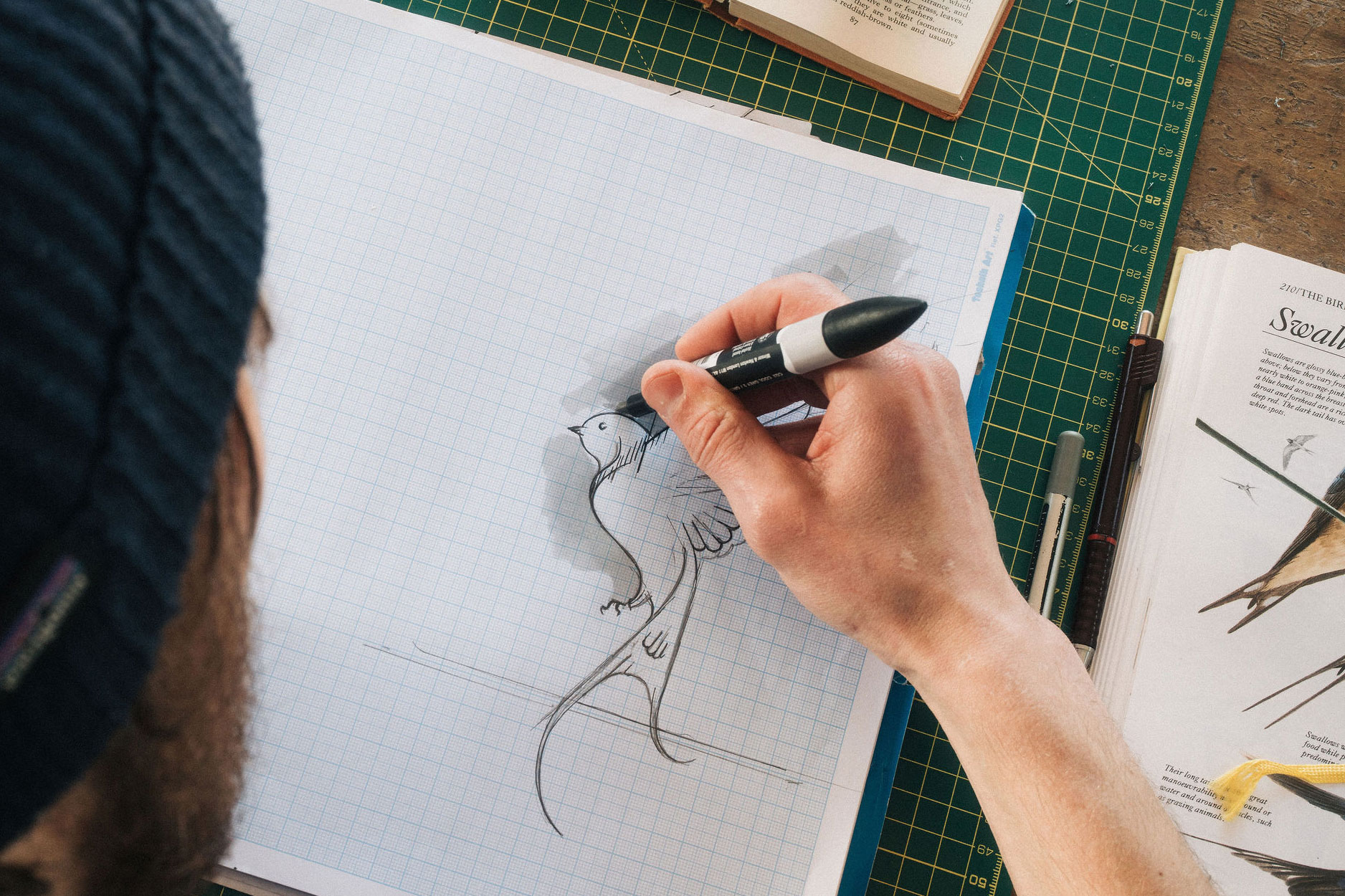
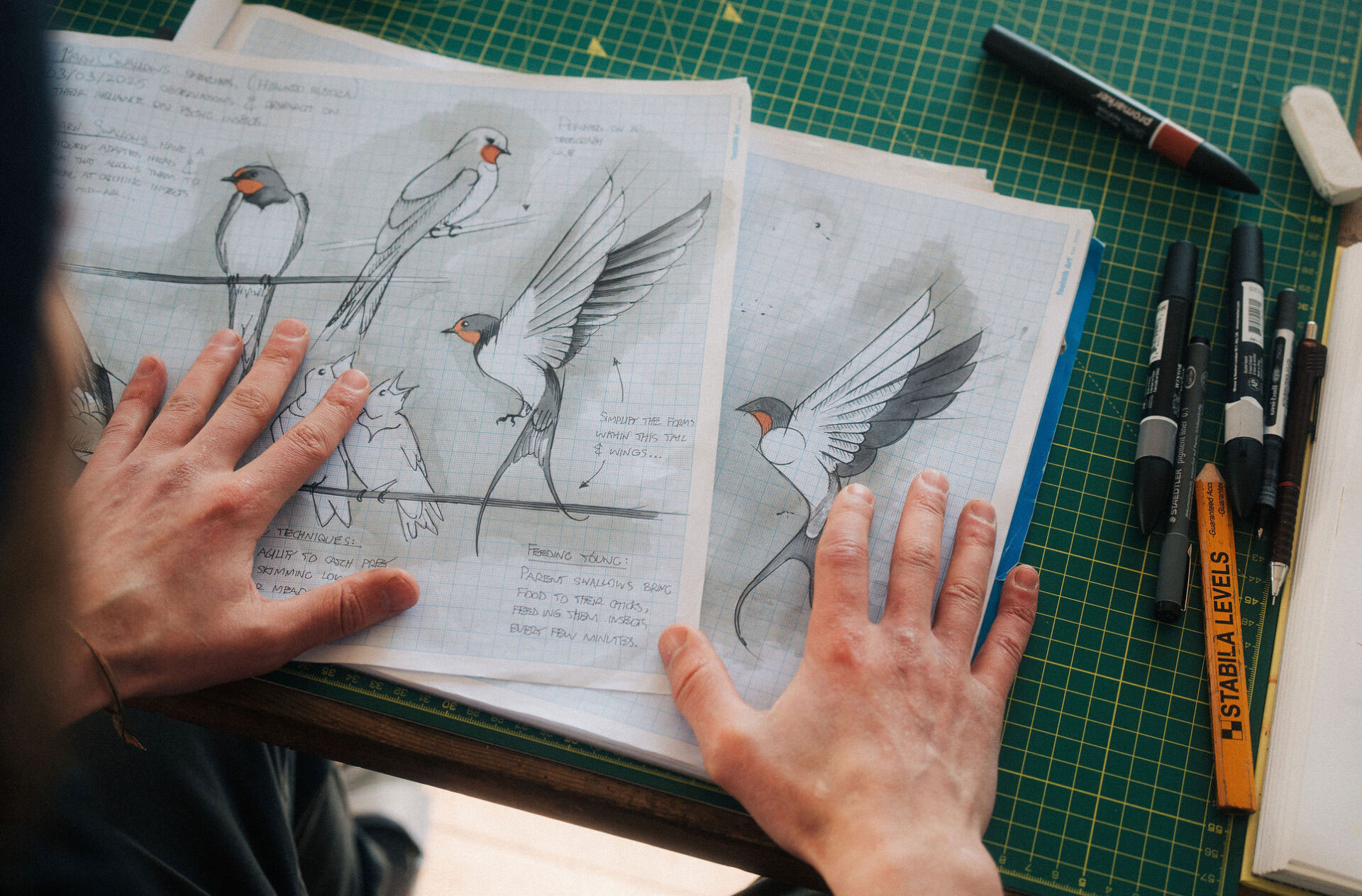
Swallows are aerial insectivores, meaning they feed almost exclusively on flying insects.
On a good day, a barn swallow can catch up to 8,000 insects (60 insects per minute), plucking each one from the air with swift accuracy—a fleeting moment where wings embrace wings in flight.
It is neither an act of sacrifice by the insect, nor aggression by the bird—but a simple necessity: the continuation of balance and order.
The circular nature of life and death. The way things are.
Every living being is greeted by death equally—humans, swallows, ravens, moths—whether dying high up in a cloudless sky, passing away in the depths of a churning river, or drifting off under the bright fluorescent lighting of a hospital bed.
Death is the greatest leveler, a universal truth that connects us across species, reminding us of our shared mortality and the cycles of life that connect us.
In the end, we all follow the same path into the shadows.
Average lifespan of a…
Mayfly – 1 day
Worker bee – 5 weeks
Runner bean plant – 3 months
Wren – 2 years
Queen bee – 3 years
Barn swallow – 4 years
Great spotted woodpecker – 7 years
Human – 80 years
Horse chestnut tree – 200 years
Oak tree – 1,000 years
Yew tree – 2,000 years
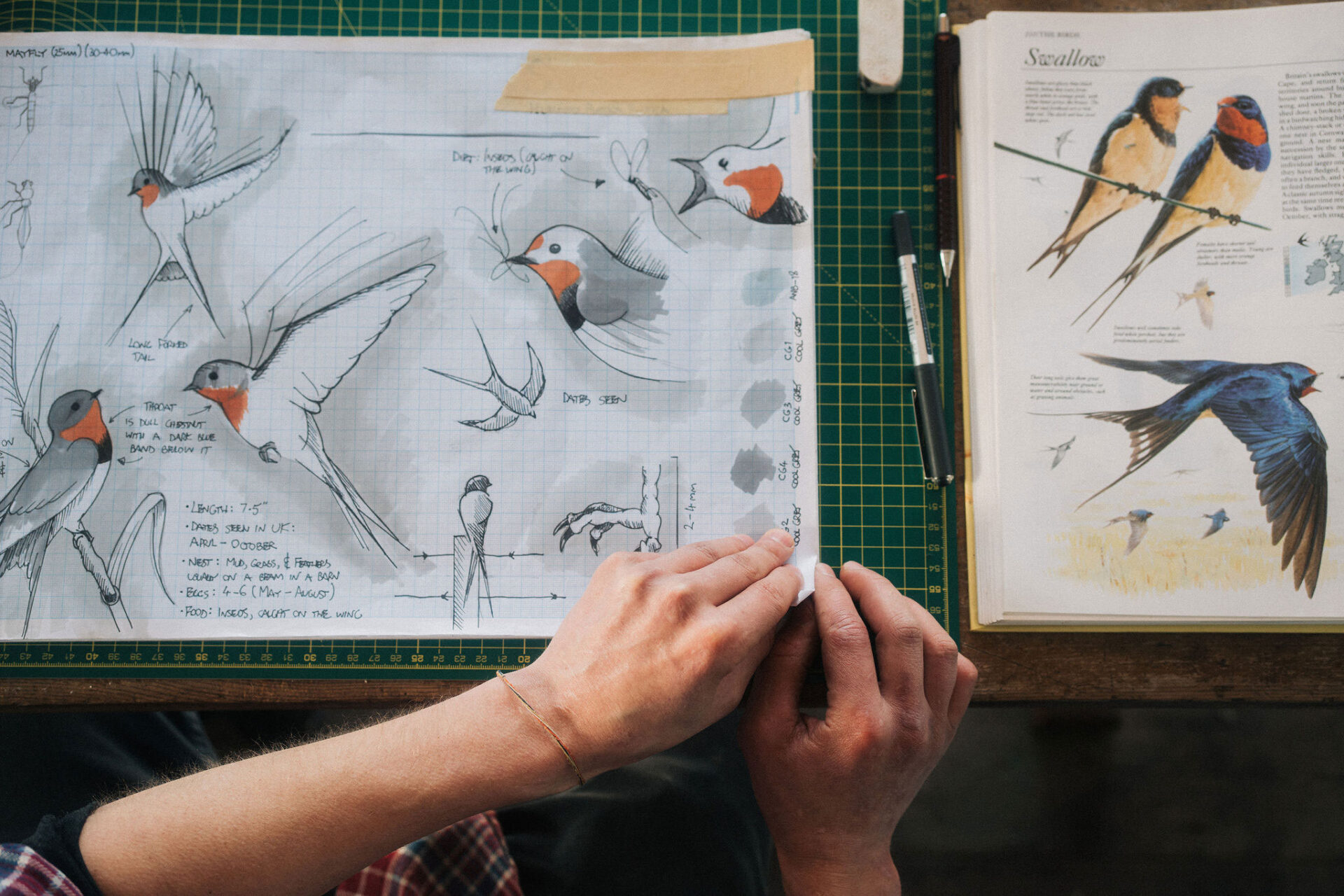
Losing Dad has been the most challenging event I’ve ever faced. But over the years, as the storm’s wake settled and gaps gradually emerged between the clouds, lessons on how to live a good life began to unfold.
Witnessing death can add a deeper weight to our everyday experiences, and I truly believe that no one dies in vain if those they leave behind are able to embrace the lessons that death offers.
"At the centre of all my sorrows, I have felt a presence that was not mine alone."
When I think about Dad’s life—his relationships, his parenting, his grandchild, his gardening, the work he did as a caring doctor with his patients and students—I can see that he planted so many seeds that continue to grow to this day, even if he is not here to see them flourish.
He taught me that when the seeds of our actions are honest, we can dwell peacefully, knowing they will eventually ripen into fruit long after we are gone. This is the wisdom of a good gardener, who tends to the orchard of his actions over time.
And it is for this reason that I am seeing next week as the anniversary of my Dad’s continuation, not passing.
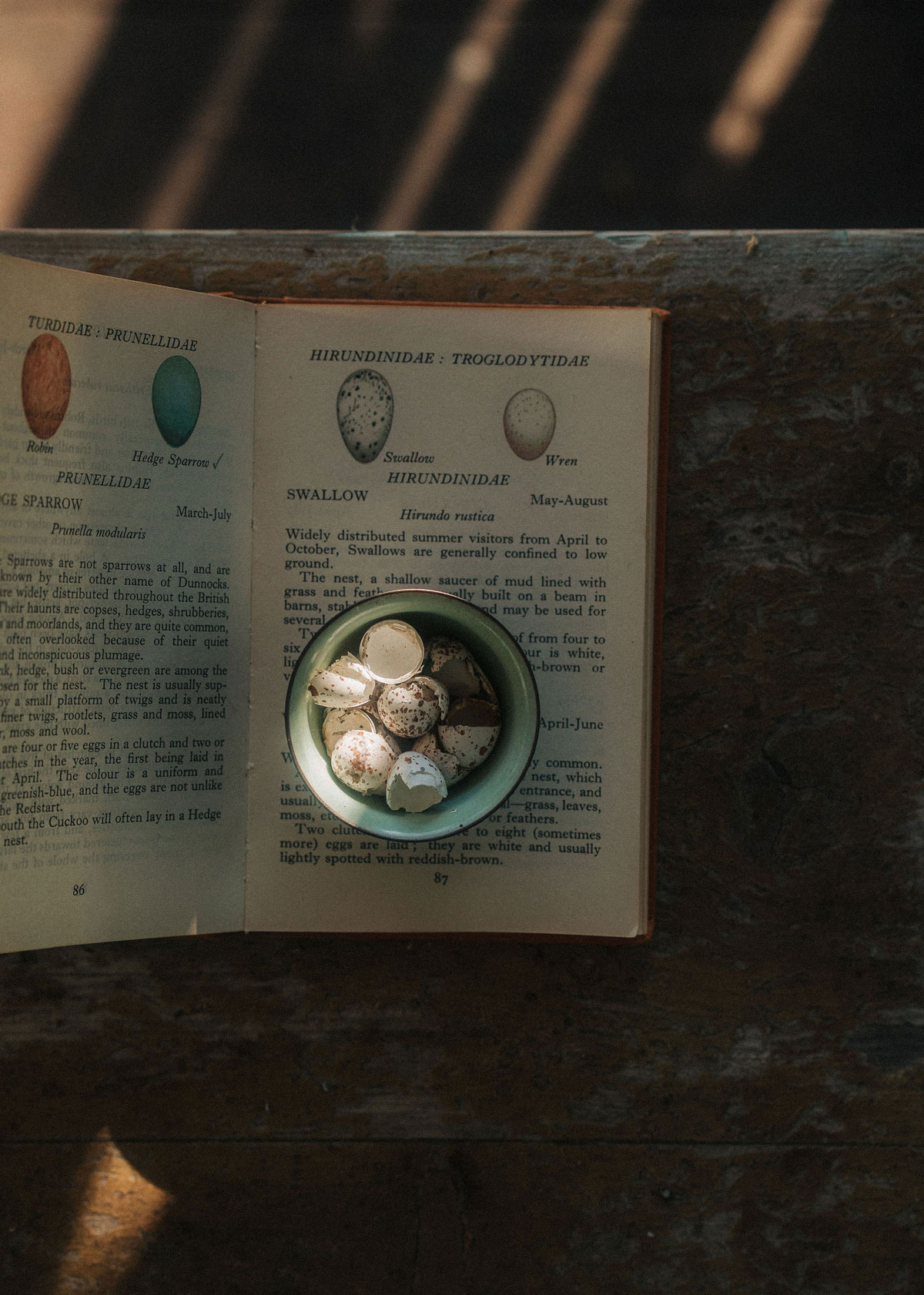
If you knew my Dad, I invite you to pause, raise a glass, or plant a seed in memory of him. If you didn’t know him and someone dear to you has died, feel free to honour them in your own way through a small act of remembrance.
It is these little rituals that keep their memories alive, and allow us to experience their continuation.